

Protein for Strength and Healthy Aging
Protein plays a critical role in building and maintaining muscle mass, which becomes increasingly important as we age. For men and women over 50, maintaining muscle isn't just about appearance; it is essential for strength, mobility, metabolic health, and independence later in life.
But how exactly does protein help support muscle growth and strength?
WHY YOU SHOULD TAKE NOTE
Sarcopenia and age-related muscle mass decline are due to a lack of protein, hormonal shifts, and insufficient physical activity.
Sarcopenia can increase the risk of dementia. A decrease in Fat Mass and Muscle Mass is associated with faster cognitive decline (1)
Unintentional falls are the leading cause of injury-related deaths in people 65 and older, due to increased frailty and osteoporosis. In the USA, 41,000 died as a result of a fall, and over 50% of these falls resulted in serious injury. Estimated deaths in Australia are 5,000 a year, up to 6,378 in 2021-2022. Nearly 400 elderly Australians are admitted to hospital every day as a result of a fall. Over 65-year-olds are 68x more likely to die from a fall than a 15-64-year-old.
LET THE NUMBERS TELL THE STORY
Simple skeletal muscle mass estimator.
Skeletal Muscle Mass Calculator
Estimate your muscle mass trajectory over time.
Disclaimer: The above is indicative only, using averages, and may not reflect your personal situation. Information is illustrative only.
Can you afford to lose muscle?
HOW DO WE NOT MESS THIS UP?
1. Get some PROTEIN on your fork.
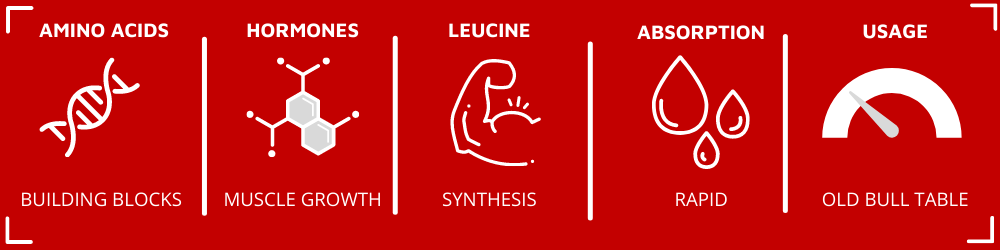
- Delivers Amino Acids - Building blocks to repair and build muscle tissue after exercise.
- Protein releases Anabolic Hormones involved in muscle repair and growth. Helps trigger the body's natural muscle-building processes following exercise.
- Provides Leucine, which stimulates muscle protein synthesis, the process by which the body builds new muscle.
Research shows older adults require a higher Leucine intake to overcome age-related anabolic resistance.
Protein infographic
Protein should be obtained through your diet, with each meal, or from a protein supplement, such as a quality "complete" protein powder. Most studies use a protein supplement, specifically BCAAs (Branched-Chain Amino Acids), which support muscle growth, recovery, and maintenance, and are also Essential Amino Acids (EAA).
Protein between meals and just before, during, or after exercise is also a good idea, depending on your daily protein intake requirements. Read more about how much protein you need, and check out the Protein Guide.
2. Get moving and lift WEIGHTS.
As important as protein. Focus on compound movements: 150 minutes a week or 2-4 sessions. Combine this with regular activity. Resistance training after 50 is key.
While results can vary widely among individuals, studies generally agree on the benefits of protein and amino acids, and on the need for protein for survival and muscle maintenance. As such, Old Bull invested significant time into understanding and researching available protein supplements and has a protein powder as one of our core products.