
Protein Benefits - Why it matters more than you think.
Protein is one of the most important nutrients for healthy ageing, especially for men over 50. Protein is made up of amino acids, which are the building blocks of muscle, bone, skin, hormones, enzymes, and immune function. Without enough protein, the body struggles to repair tissue, maintain muscle, and regulate many essential biological processes.
And here's the part many people don't realise:
Your protein needs actually go up as you age.
Why? Because your body becomes less efficient. That means the same amount of protein you ate at 30 may not be enough at 50 or 60. Protein helps gain and retain muscle mass and also supports fat loss and performance, amongst other things. And you thought protein was just for gym junkies!

WHY PROTEIN IS CRITICAL AFTER 50
The Benefits: Adequate protein intake supports several key areas of health:
- Maintaining muscle mass
- Strength and physical performance
- Fat loss and appetite control
- Exercise recovery
- Metabolic health
- Mood and sleep regulation
For active adults, especially those doing resistance training. Protein is essential for preserving strength and mobility as you age.
1. MUSCLE LOSS AND AGING
One of the biggest health challenges after 50 is Sarcopenia, the gradual loss of muscle mass and strength with age. After age 40, adults can lose 1–2% of muscle mass per year if they are inactive or under-consuming protein.
Several factors contribute:
• Reduced protein intakes
• Lower physical activity
• Reduced protein absorption efficiency
• Hormonal changes
• Anabolic resistance
This combination makes muscle maintenance harder, but not impossible.
Protein intake combined with resistance training is one of the most effective ways to slow or reverse muscle loss.
Supporting Research
Review I: Minimum protein intake is essential for preserving muscle mass and function, a major preventive factor in successful aging. You can read the research in the National Library of Medicine here.
Study II: In a second study, men new to resistance training received daily Leucine supplementation during a 12-week program in which they trained twice a week using eight standard exercise machines. Strength was assessed by five max repetitions and dual-energy x-ray absorptiometry. Results indicated significantly higher gains in strength at 41%, compared with 31% in the group not receiving protein. You can read the detailed research here.
2. Fat Loss
Protein improves satiety, which means it can cut cravings, i.e., you don't feel as hungry. Protein can help you feel fuller for longer.
Study I: A study of 36 men who consumed BCAAs (Branched Chain Amino Acids), which are found in most proteins, during resistance exercises increased their lean mass and muscle strength and achieved fat loss. Each man had been training for at least two years and weighed an average of 83kg. They trained all muscle groups four days a week. The BCAA group doubled their gain in bench press. All the details of this study are here.
Animal studies have shown similar outcomes in reduced body weight and fat. It is worth noting that we mention fat loss, not weight loss, because some studies have produced inconsistent results, so more research is needed to determine whether proteins can deliver weight loss.
3. Performance
Proteins can help alleviate fatigue and improve not only performance but also recovery.
The three BCAAs (Branched-Chain Amino Acids) are widely used to improve athletic performance and promote muscle recovery.
Study I: In a study of 16 resistance-trained athletes, muscle recovery, soreness, and performance all improved in the group receiving BCAAs after doing six sets of ten full squats. All were diet-controlled, and results were obtained immediately and at 1 hour, 24 hours, and 48 hours after exercise.
Study II: BCAAs are good for passive muscle recovery and are associated with less muscle soreness. This is from a review of eight trials conducted in 2018.
4. Mood & Sleep
Tryptophan, one of the amino acids in protein, is required for the production of serotonin, which most of you would no doubt be aware of. It is a regulator of mood, sleep, and other behaviors.
Study I: A study of 59 mentally and physically healthy women aged 45-65 years received either a supplement or a placebo for 19 days. Emotions changed, showing a shift from negative stimuli to reduced attention to them and a bias toward happiness during the study. Increased energy, shorter reaction times, and some increases in attention were observed. Find the supporting research here.
Other Studies: Low levels of serotonin can be linked to depressed behaviours and interrupted sleep. Several studies have shown that tryptophan has improved energy and happiness levels. Tryptophan is an amino acid found in most proteins.
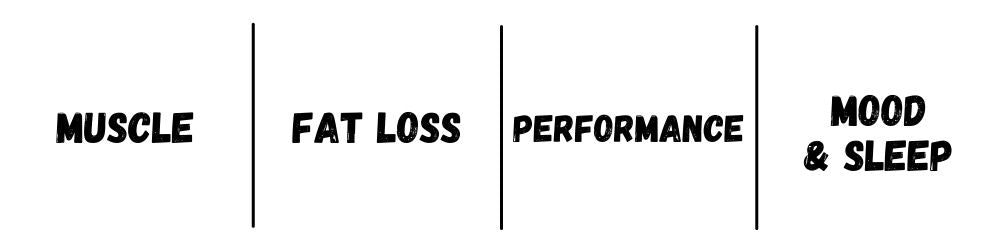
BENEFITS RECAP
So the bottom line is your body needs protein to survive, and it supports a number of important areas, including:
- Recovery after exercise
- Building and/ or retaining muscle mass
- Fat loss
- Reducing appetite and/ or cravings
- Preserving lean muscle
- Improving exercise performance
- Mood and sleep
There are also different types of protein supplements available, so be clear on these types as well as the Amino Acid profiles that support them. Get the majority of your protein from nutrition throughout the day. Supplements are great when you're working out or as a meal replacement between meals if your intake isn't sufficient.
SUMMARY
Before you rush off and consume only protein, our advice is always to consider any changes to your diet or increased protein intake against your current diet and, of course, your individual circumstances, and to seek the advice of a medical professional before doing so.
Please read the protein guide for more information.
Make sure you don't have a protein gap and that you get the key BCAAs. Read more on protein intake here.
If you are training, especially resistance-type training, which is key to maintaining muscle mass as you get older, using a protein supplement with an optimal amino acid profile can help support sufficient protein intakes, especially when you're over 50.