
Protein Types and Prices
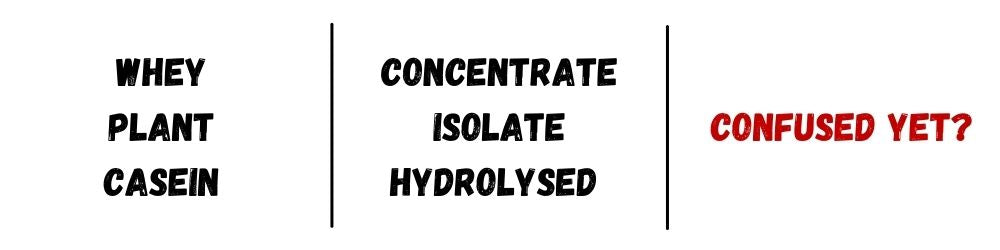
Protein can be confusing. Whey, Plant, Casein, or even a Hybrid are all types of protein you can buy, based on their source (Hybrid being both animal- and plant-based). Then, in certain cases, these can be a Concentrate, Isolate, or Hydrolysed, not to mention the number of flavours and, in certain cases, carbs, vitamins, or minerals. It can be confusing to the uninitiated.
You will find these in most supermarkets, chemists, nutrition stores, or online in abundance, and can be overwhelmed by the colours, names, offers, promises, and types of proteins, variations in quality, as well as pricing. With the rise in the popularity of GLP-1 medications, demand for protein has increased dramatically, as have its prices.
So, the buying decision is harder, and this perceived complexity often leads to no decision, leaving the store empty-handed or with a suboptimal product. And high prices lead to trade-offs in consumption and quality.
DECODING PROTEIN TYPES
On this page, we will try to help decode what's available for purchase, what this means for you, and why we sell what we sell.
ANIMAL-BASED PROTEIN POWDERS
Whey and Casein
Whey and Casein proteins are derived from animals, actually cow's milk, so are animal-based protein powders. They are both by-products of the cheese and yoghurt manufacturing process, with about 80% being Casein and 20% being Whey.
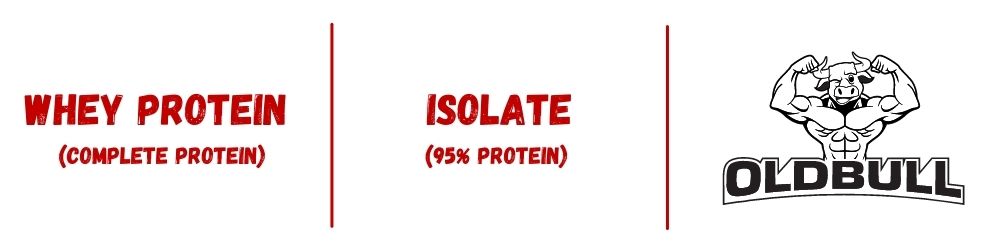
Animal proteins are the most complete, with higher levels of all the Essential Amino Acids (EAAs). If you are into anything that involves muscles, animal protein can be the optimal choice.
Whey proteins can be either Concentrate, Isolate, or Hydrolysed, which relates to the filtration process and the resulting protein content levels and Amino Acids profiles in each.
Concentrate has around 80% protein; Isolate, after undergoing additional processes, has around 90% protein; and Hydrolysed is broken down further with heat or enzymes for easier digestion.
The higher the % protein, the lower the carbs, fats, etc. Whey protein generally gets absorbed faster than casein protein, which can take up to 4-5 hours to absorb.
PLANT-BASED PROTEIN POWDER
Pea Protein
Pea proteins come from yellow split peas and are extracted by first drying and grinding the peas into a fine flour-like powder, then mixing them with water to separate fibre and starch.
Pea protein is available in Concentrate and Isolate form. Isolate requires additional processing and includes less starch and fibre.
WhilPeaea is a complete protein and one of the few plant-based proteins with all the Amino Acids, it does not always have comparable amounts of these EAAs when compared to an animal-based protein, and specifically lacks methionine, which is needed to produce cysteine, which is the precursor to the production of glutathione in the body.
The other consideration for you is the source of the peas, so be sure to read the label if pea protein is your thing and make an informed decision.
Other Plant Proteins
Plant proteins can vary, and incluPeapea, soy, hemp, and brown rice.
Soy contains all essential amino acids and is high in protein. Hemp protein comes from the cannabis plant, you read that right, and is high in omega-3 and omega-6 fats. Brown rice protein contains all the amino acids but is too low in lysine to be considered complete.
WHICH IS BEST?
A personal choice, but here are some factors to consider:
- Whey, on average, has a higher percentage of protein and a complete Amino Acid profile, meaning it has all the Essential Amino Acids (EAAs)
- Getting this from plant-based proteins is possible, but you would have to mix different protein sources with complementary Amino Acid profiles to ensure optimal ratios.
- Whey generally has higher Leucine levels, which stimulate muscle protein synthesis and, in turn, muscle growth and strength, both of which are important for aging.
- Protein powders generally include flavouring to make them more tolerable. Always check owhat'st’s in yours. To reduce costs, some manufacturers reduce protein content, which means more fillers.
- Plant-based proteins are dairy-free and can be less inflammatory in the gut for those with lactose or dairy intolerance.
- Plant-based proteins can be a mix of plant proteins to keep costs down, think rice, pea proteins, etc. Consider the make-up or ratios of a plant-based protein, as this mix will determine its effectiveness.
- Plant-based proteins generally require higher levels of sweeteners and flavourings to mask their taste.
Animal-based and plant-based proteins can make a good addition to any diet, depending on whyou're're trying to achieve.
HYBRID PROTEINS
A mix of Why and Plant-based proteins to optimise outcomes for users and manage price. Spend some time understanding the mix and wit'st's that way. Things to look out for are:
- The total % protein per serve
- Taste
- The % Essential Amino Acids (40%+)
- The % BCAAs (20%+)
PROTEIN PRICES
We gathered data on 35 different proteins available in-store in Australia, including Woolworths, Coles, and Chemist Warehouse, as well as several online sports and nutrition specialist stores.
Assumptions
- If not labelled Isolate, we assumed it was a Concentrate
- Discounts and sale prices ignored, RRP used.
- Excluded delivery
- Used vanilla flavour and 1 KG pack or closest to as a base
- We measured all aspects per 100g for consistency and then extrapolated to 1 kg for easier comparisons
This is what we found:
| Protein type | Average price/kg | Average protein % |
| Whey isolate | $86.50 | 83% |
| Whey Concentrate | $59.20 | 74% |
| Plant-based | $65.80 | 62% |
- Prices/ 100g ranged from $3.75 to $12.49
- Isolate $6 - $12.49
- Concentrate $4 - $8.78
- Plant $3.75 - $11.25
- Average price/100g $7.30
- Serving sizes ranged from 25 g to 43 g. The average was 33 g.
Below are the average prices per 100g from our last survey. For a 1 kg-sized container, from the sample of proteins we reviewed, the following were the average prices:
Pea: $3.03
Whey concentrate: $3.67
Casein: $4.60
Whey isolate: $5.94
Plant (Hemp, soy, etc.): $6.28
Insane.
In terms of fillers, we found the following:
- Isolate had the lowest sugars, with Concentrate having 3X more
- Isolate had the lowest carbs, 2X less than Concentrate and 1.5X less than plant
- Isolate had the lowest total fats, 2.8X less Plant and 2X less Concentrate
- Plant has the highest sodium, 2.2X higher than Isolate and Concentrate
- Leucine levels, where available, were significantly higher in Isolate
SUMMARY
Protein is expensive, and raw material prices for the protein we used went from $12 per tonne to $55 per tonne over four odd years, making it uneconomical onyou've've mixed, packed and delivered. If you find a great whey protein Isolate out there at a good price, do your research:
CHECKLIST
- Check the souce, and ensure your driver tests regularly and has a current certificate of analys(or )COA.
- Check Amino Acid profile Leucine 9%+, BCAAs 20%+ and EAAs 40% plus. Or you get what you pay for.
- Check % protein. A good Isolate should be 90% +. There were many proteins that called themselves Isolates but were, at best, poor Concentrates. More fillers = less benefit to you and your muscles.
- Plant-based proteins generally have higher sodium and flavouring, as the raw materials judon'tn't taste that great.
- Buy from a reputable source. Large bulk retailers are not always reputable sources and often have some of the worst protein quality with respect to the above. Basically, you buy cheap, you get cheap.
IS CHEAP PROTEIN BETTER THAN NO PROTEIN?
Yes, but not if you want results.
Anabolic resistance means your body responds less to protein than before. More and higher-quality protein is needed to trigger muscle building. The leucine threshold is what most people miss. Cheaper, lower-quality proteins generally will have less Leucine. You should aim for 2.5g-3 g per serve. Cheaper or low-dose protein powders might leave you with 1.5 - 2 g at best and result in a minimal muscle response.
If the choice is:
- Cheap protein or nothing - Choose cheap protein every time, but sub-optimal.
- Strength, energy, performance and health span - Effective protein.
In other words, low-quality protein will keep you alive; higher-quality protein will keep you strong. But do your research, use the checklist above, because no protein retailer ever sai", "Come on in, we have low-quality protein, just for "ou".