

Daily protein intake for Men and Women
Exclusive Protein Intake Chart below:
Old Bull protein powder, as with most powders, includes a 30g scoop. However, not all powders have the same % protein; for example, an isolate (WPI) would have a higher %, usually around 90%+, while a Concentrate (WPC) usually has around 80%.
Isolate protein powders (WPI) have a higher protein %, and thus cost more than Concentrate (WPC) or Casein protein.
1: GETTING STARTED
Check out your Protein's percentage of the total serving.
Considerations:
- What is my ideal daily protein intake?
- How does my age affect this?
- Does protein intake differ by body shape and weight?
- Do I need more Protein if I'm training?
- How much actual Protein is in my protein powder serve?
The above are all great questions, and there is little clear guidance out there.
2. UNDERSTANDING PROTEIN USE DRIVERS
See our Getting Started with Protein Guide here if this is new to you first.
The ideal number of protein shakes should be determined by weight, diet, and level of activity.
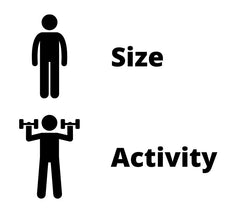
As a general rule, the bigger you are, the more active you are, and the more muscle you have, all of which are factors that drive protein requirements. Intake will differ between men and women, mainly due to size and muscle mass. Key drivers alongside sex include:
3. UNDERSTAND RECOMMENDED GUIDELINES
The Australian recommended guidelines are an EAR* of 0.84 g/kg/day for men and 0.75g/kg/day for women—more in our Protein Users Guide.
There is, however, evidence that men over 53 years old have a 25% higher protein requirement for maintenance, and this increases further at 70 years of age.
* EAR = An intake value that is estimated to meet the requirements of half the healthy individuals in the group, so really a guideline.
The above however is general, a one-size-fits-all and does not consider varying body shapes and sizes, sex, or activity levels!
4. DETERMINE YOUR DAILY INTAKE
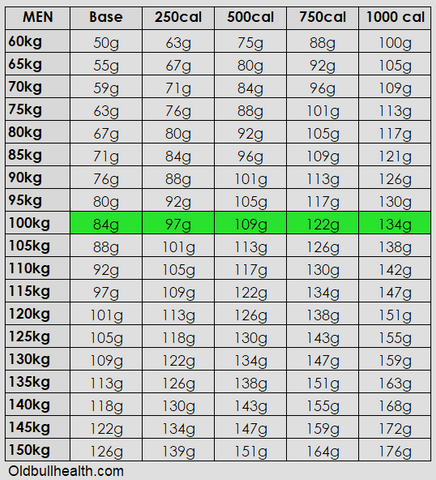
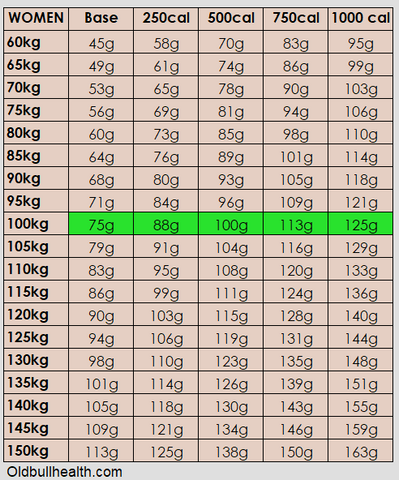
1. Move down the left-hand column until you get to the weight closest to your weight.
2. Then, use the "Base" column, or if you're active and work out, move across to the right from your weight until you get to the column that best represents the calories you burn from exercise or activity on any particular day. (Calories totals are shown at the top of each column).
3. Where the Weight row and the Base or Calorie columns intersect is the suggested daily protein intake in grams. (See assumptions below).
PROTEIN DAILY INTAKE CHART FOR MEN
PROTEIN DAILY INTAKE CHART FOR WOMEN
Assumptions:
- 1g of Protein is 4 calories, and the protein content from calories is 20%. (The average is based on various research papers.) Australia and New Zealand nutrient reference values and guidelines quote a minimum of 10% and a maximum of 35%.
- Body composition is not taken into account in the above or in individual circumstances or health conditions.
But keep in mind.
5. DON'T IGNORE OTHER NUTRITION
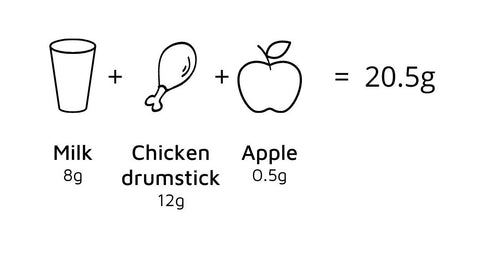
Much of what we eat already includes Protein (See the images below). If you don't consume sufficient Protein in your diet, you may have a protein gap. This can be exacerbated as we age. We might eat less to maintain a certain weight or avoid foods rich in Protein.
We may be reducing our protein intake without even knowing.
Protein shakes are a great way to fill this gap or support resistance training efforts. They can help you get your intake on track, and having a shake a couple of hours before or after your meal can improve absorption.
Example protein intake.
SUMMARY
OK, so consider your average daily diet: milk, meat, poultry, fish, vegetables, fruit, etc., and the total amount of Protein, in grams, consumed as part of that diet. Most of us have a routine, so this should be easy. (Use an app like MyFitnessPal to help if required.)
Then use the tables above to work out a guideline for your protein requirement.

For example, my numbers are as follows:
I weigh 90 kg and would, on average, burn an additional 500 calories a day from walking or doing workouts at the gym.
My base protein need is 76 g, and with my exercise, around 101 g.
I know a large flat white coffee is around 8 g, and my meals would add another 50 g in total. On an average day, I would have a protein shake in the morning and then another 50 g of Protein from protein powder after exercise, for a total of around 108 g. A good amount and intake for me to help retain and gain muscle mass. My protein supplement also helps me manage my appetite by promoting satiety.
If I didn't have a protein shake, I would have a rough protein deficit of around 41 g.
Find out more about Protein in the Old Bull health podcast below:
Still not sure? You can find our guide on how to calculate your daily protein needs in more detail right here. Proteins are composed of amino acids and come in various shapes and forms. You can also find out more about the various types of Protein available on the market here.
Please follow us on socials at the links below or join our mailing list for more great insights and articles on over 50 health.